
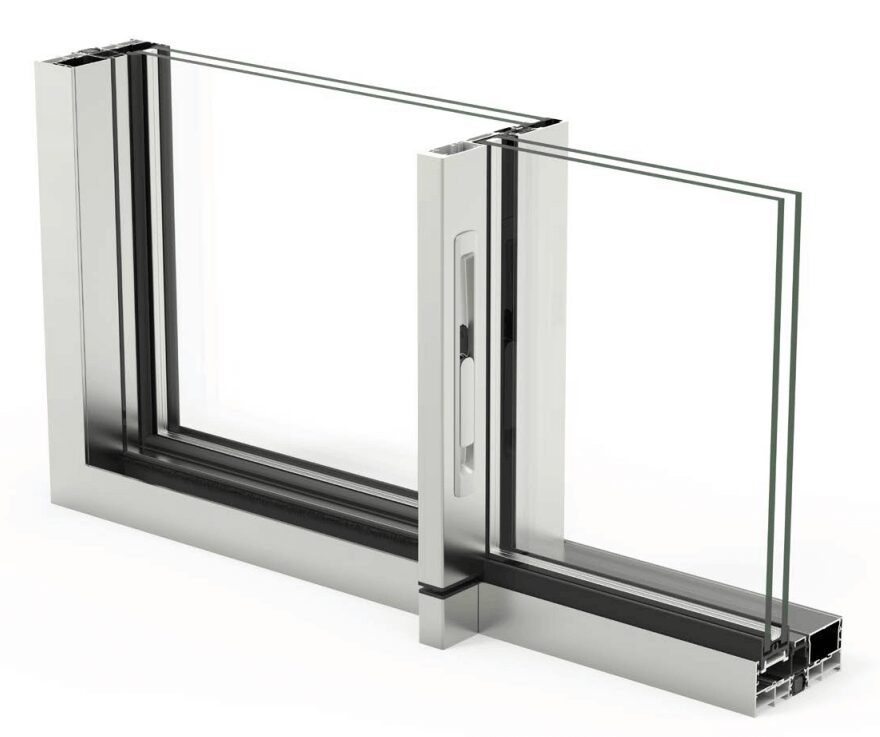
 Double glazing, or having two panes of glass separated by a layer of air or gas, has become a popular choice for modern windows and doors in homes and buildings. Here are 10 reasons why double glazing is a beneficial choice:
Connect with us at ALUSMART for a wide range of options of double glazed windows and doors.
0 Comments
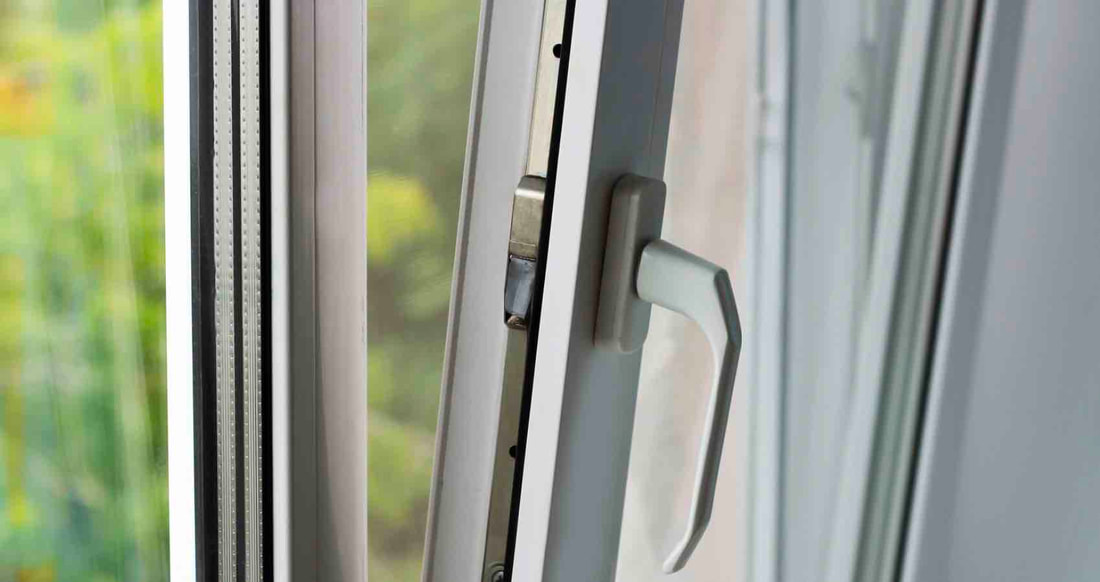 Windows are intricate and fascinating components of a home's building fabric and structure.
They let in light and fresh air while also providing views that connect indoor and outdoor living spaces. Windows, on the other hand, can be a large source of undesired heat gain in the summer and significant heat loss in the winter. Energy efficient windows improve the comfort of your house, save your energy bills, and contribute to a brighter, cleaner, and healthier environment. Windows can have a significant impact on a building's heating and cooling loads. Up to 40% of a home's heating energy can be lost through windows, while up to 87 percent of its heat can be gained through them. Improving the thermal performance of windows lowers energy expenditures and emissions of greenhouse gases. What is Double Glazing? In most traditional windows you see every day, there is only one sheet of glass. A sealed glass unit with two sheets of glass separated by a spacer bar around the outside is referred to as double glazing (often called an IGU - Insulated Glass Unit). The spacer produces an air gap of a few millimeters (ideally 10-12mm) creating an insulating break between the interior and the outside of the window. Often this gap is filled with Argon gas for even better thermal benefit. What are the benefits of Double Glazing? 1. Higher level of comfort through Thermal Performance. A double glazed home will be up to 87% cooler in summer and up to 40% warmer in winter, saving more than 30% on the cost of heating and cooling. 2. Remarkable serenity through Noise Insulation. The rooms in a double glazed home will be up to 60% quieter than single glazed homes. 3. Unparalleled peace of mind through Security Toughness. A double glazed window unit with either toughen glass or laminated glass is 500% tougher than single glazing. What are the types of glass available? Glass comes in a wide range of types and thickness. Thickness plays a considerable role on noise transmission as well as the glazing's strength and safety, while type affects its thermal performance. Any of the following glass types can be incorporated in the double glazed unit (IGU). 1. Laminated Glass. To improve impact resistance, laminated glass incorporates a plastic glazing layer called an interlayer. This interlayer is sandwiched between two sheets of glass to prevent the glass from shattering into long, deadly fragments. Bathrooms, doors, around stairwells, and spaces close to the floor are some of the most vulnerable areas in the home to injury from human impact, and these require laminated glass. 2. Low-e Glass. Low-emissivity glass has a pyrolytic coating or a vacuum-deposited thin film metal layer. Because vacuum-deposited coatings are delicate, they can only be used inside an insulating glass chamber for protection and longevity. To make the glass robust and robust, pyrolytic coatings are baked into the surface in the manufacturing while the glass is still hot. Low-e coatings can enhance both U-value and SHGC dramatically, but they must be used appropriately or they will degrade or fail to perform to specification. Low-e coatings can be utilised with a variety of glass types, including clear, toned, and reflecting. 3. Toughen Glass. Tempered glass, as it is often referred to, is up to five times stronger than regular glass. This is achieved by heating regular glass at high temperatures (650°C) and then cooling very quickly. This process makes it tougher and up to 400% or 500% more resistant to heat and shock than ordinary glass. The aim of the toughening process is to primarily improve the structural durability and thermal strength of the glass, in turn increasing its resilience and ability to withstand heat. It’s worth noting that this type of glass cannot be re-cut after it has been toughened; it must be cut prior to the toughening process. Toughened glass is specially treated so that it will break into small, blunt pieces under pressure, making it much safer than shards of normal glass. What roles do frames play in Double Glazing? Frames have the largest impact on the thermal performance of windows after glazing, and there are three main types generally available in Australia. 1. Aluminium Frames. Aluminium window frames are lightweight, sturdy, and long-lasting, and come in a range of powdercoated and anodized finishes. However, aluminium is a significant heat conductor and can reduce a glazing unit's insulating value. A thermal break is frequently used to limit the amount of heat that is transferred through aluminium frames. It uses a low conductivity component to separate the frame's outside and inner parts (typically urethane or other low conductivity polymer). Aluminium frames offer exceptional durability and reliability and are 500% more resistant than uPVC or timber. It is also 100% sustainable permitting infinite recycling. Pros: Resistant, Functional, Color Choice, Sustainable, Zero Maintenance Cons: Heat conductor, Medium Investment Best Use: Whole house Price: $$$ 2. Timber Frames. Timber framing is an excellent natural insulator. They do, however, necessitate wider tolerances in openings, which might result in gaps that allow air penetration if draught sealing (weather stripping) is not properly fitted. As it develops, timber absorbs carbon dioxide and stores it until it is burned or decays. To prevent decay and deformation, wood species must either have a high natural durability or be treated. They can have a heavy initial price tag and will require ongoing maintenance. Pros: Insulation, Natural Color Cons: Ongoing Maintenance, Air Gaps, High Investment, Fading Best Use: Feature windows and doors Price: $$$$ 3. uPVC Frames. In Australia, uPVC frames are relatively new, yet they are widely used in Europe and North America. They have similar insulating characteristics to wood and may be moulded into complicated profiles that produce good air sealing. In comparison to powdercoated aluminium, the colour palette is more limited. Even though their performance is outstanding in Europe and North America, they have a short life span in the Australian sun and will need replacing within ten years or less. Pros: Insulation, Air Sealing, Complex Designs, Little Maintenance, Low Investment Cons: Short Life Span, Limited Colors, Fading Best Use: Facades not exposed to sun Price: $$ Why double glazing? Glazing is a significant investment in the quality and comfort of your home. Walls of glazing create light-filled living areas, seamless transition between the indoor and outdoor, and aesthetics. The cost of windows is linked to the cost of heating and cooling your home. A small investment in energy-efficient windows can save you a lot of money on your annual heating and cooling bills. Energy-efficient windows help minimise peak heating and cooling loads, resulting in long term energy cost savings. They give you security, comfort and peace of mind. More info? At ALUSMART, we're here to answer any questions you may have. Visit us online at www.alusmart.com.au and come in our showroom at 51 Furniss Rd, DARCH WA and open new doors and windows. |
Author
Natanael Costea, passionate about Sustainable Smart Homes Archives
Categories
All
|
 RSS Feed