• Home
  • About Alusmart
  • Gallery
  • Aluminium
  • Articles
  • Catalogue
  • T&C
  • Quote
  • Contact
ALUSMART DOUBLE GLAZING
  • Home
  • About Alusmart
  • Gallery
  • Aluminium
  • Articles
  • Catalogue
  • T&C
  • Quote
  • Contact

Articles

Understanding Weep Holes (Drainage Holes) in Windows: Why Are They Needed?

16/6/2023

0 Comments

 
Picture
Weep holes, also known as drainage holes, play a crucial role in the functionality and durability of windows. These small openings may go unnoticed by many, but they serve a significant purpose in preventing moisture buildup and ensuring the longevity of window systems. In this article, we will explore what weep holes are, why they are needed, and their importance in maintaining healthy and efficient windows.
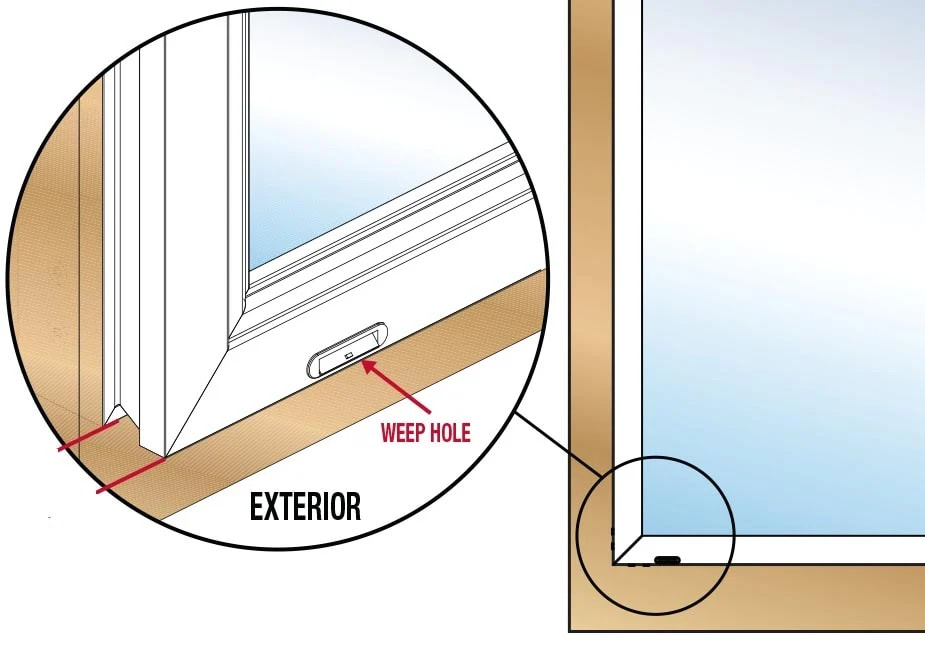
  1. What are Weep Holes? Weep holes are small, strategically placed openings typically found at the bottom edge of window frames or sashes. They are designed to allow water, condensation, and other forms of moisture to escape from the window system. Weep holes are typically covered with a small plastic cover for aesthetic purposes and to prevent blockage.

  2. Why are Weep Holes Needed?
    a. Moisture Management: Windows are exposed to various forms of moisture, including rain, condensation, and humidity. Without proper drainage, trapped moisture can lead to serious issues such as rot, mold growth, and deterioration of window components. Weep holes provide an escape route for accumulated water, preventing potential damage to the window frame and surrounding structures.
    b. Air Circulation: Adequate airflow is essential for preventing the buildup of moisture inside the window system. Weep holes allow for natural ventilation, helping to dissipate moisture and maintain a balanced indoor environment. This helps prevent the growth of mold and mildew, which can negatively impact indoor air quality.
    c. Pressure Equalization: Changes in temperature and atmospheric pressure can create pressure differentials between the interior and exterior of a building. Weep holes assist in equalizing these pressures, preventing stress on the window seals and frames. This helps to maintain the structural integrity of the window system, reducing the risk of seal failures and air leakage.

  3. Importance of Regular Maintenance: While weep holes are essential for proper drainage, they can become blocked or obstructed over time. Debris, such as dirt, dust, and insect nests, may accumulate in the weep holes, impeding their functionality. Regular maintenance is crucial to ensure the effective operation of weep holes. Cleaning the weep holes periodically (especially before winter) using a soft brush or compressed air can help prevent blockages and maintain optimal drainage.

As such, weep holes (or drainage holes) are an integral part of window design, providing a means for water and moisture to escape, maintaining healthy windows, and preventing potential damage. By understanding the purpose and importance of weep holes, homeowners and building occupants can appreciate the significance of regular maintenance and ensure the longevity and efficiency of their windows. Remember to consult local building codes and guidelines to ensure compliance when installing or maintaining weep holes in windows.
0 Comments

What are thermally broken aluminium windows and doors?

6/6/2023

0 Comments

 
Picture
When it comes to window frames, there are various options available, each with its unique features and benefits. One popular choice among homeowners and architects is thermally broken aluminium windows.

What are Thermally Broken Aluminium Windows?
Thermally broken aluminium windows are specially designed windows that incorporate a thermal barrier or insulation between the inner and outer sections of the aluminium frame. This thermal barrier helps to reduce the transfer of heat and cold between the exterior and interior of a building, thereby improving energy efficiency.

How do Thermally Broken Aluminium Windows Work?
The thermal barrier in thermally broken aluminium windows is typically made of a non-conductive material such as polyamide or polyurethane. This material acts as a separator between the inner and outer sections of the aluminium frame, creating a break in the thermal pathway. By interrupting the flow of heat or cold, the windows help to maintain a more stable indoor temperature.

Advantages of Thermally Broken Aluminium Windows

  1. Enhanced Energy Efficiency.  The thermal barrier in thermally broken aluminium windows significantly reduces heat transfer, making them more energy-efficient. This feature helps to keep the interior cool in summer and warm in winter, reducing the reliance on heating and cooling systems and lowering energy bills.

  2. Condensation Prevention.  The thermal break minimizes the risk of condensation forming on the interior surface of the windows. Condensation can lead to issues such as mold growth and damage to window frames, but thermally broken windows help to mitigate these concerns.

  3. Improved Comfort. By preventing drafts and reducing heat loss or gain, thermally broken aluminium windows contribute to a more comfortable indoor environment. They help to maintain consistent temperatures throughout the year, ensuring a pleasant living or working space.

  4. Noise Reduction.  The insulation properties of thermally broken aluminium windows also contribute to sound reduction. They help to minimize external noise, creating a quieter and more peaceful interior environment.

  5. Durability and Low Maintenance.  Thermally broken aluminium windows offer the durability and strength associated with aluminium frames. They are resistant to corrosion, weathering, and other environmental factors, ensuring a long lifespan with minimal maintenance requirements.

Thermally broken aluminium windows are a great choice for those seeking energy efficiency, comfort, and durability in their windows. With their advanced design, these windows provide excellent insulation properties, reduce energy consumption, prevent condensation, and enhance indoor comfort. If you're considering upgrading your windows or incorporating them in a new build, it's worth exploring the benefits of thermally broken aluminium windows to create an energy-efficient and comfortable living space.

Remember, consulting with a reputable window supplier or installer such as ALUSMART can provide further guidance and ensure that you choose the right thermally broken aluminium windows for your specific needs.

0 Comments

5 Reasons why uPVC windows are NOT suitable for Australian climate

6/6/2023

1 Comment

 
Picture
While uPVC windows have many advantages, there are a few reasons why they may not be considered suitable for the Australian climate, particularly concerning the sun and the ozone layer. Here are five reasons:
  1. UV Degradation. uPVC materials can be sensitive to prolonged exposure to strong UV radiation. The harsh Australian sun can cause the uPVC frames to degrade, fade, or become brittle over time.
  2. Heat Expansion. uPVC has a higher coefficient of thermal expansion compared to other materials like aluminum or timber. In regions with high temperature fluctuations, such as Australia, uPVC frames may expand and contract significantly, potentially leading to operational issues, warping or gaps in the window seals.
  3. Discoloration. Due to the intense sunlight in Australia, uPVC window frames may experience discoloration and fading over time. This can affect the aesthetic appeal of the windows and may require additional maintenance or even replacement.
  4. Ozone Layer. Australia experiences higher levels of UV radiation due to the depletion of the ozone layer in some areas. This increased UV exposure can have a more significant impact on uPVC materials, potentially accelerating their degradation.
  5. Thermal Performance. While uPVC windows can offer good insulation properties in moderate climates, their thermal performance may not be as efficient in extreme hot or cold conditions. The high heat resistance of uPVC can limit its ability to transfer heat, potentially resulting in poor energy efficiency in hot climates.
It's important to note that technological advancements in uPVC window manufacturing, such as UV stabilizers and thermal reinforcement, can mitigate some of these issues. However, considering the specific climate and environmental factors in Australia, alternative window materials like aluminum or thermally broken frames may be more suitable for long-term durability and performance.

Speak to Alusmart's technical staff to understand more.

1 Comment

Best window screen options in Australia

26/5/2023

1 Comment

 
Picture
In Australia, there are several options for windows and doors screens. Here are five best options:
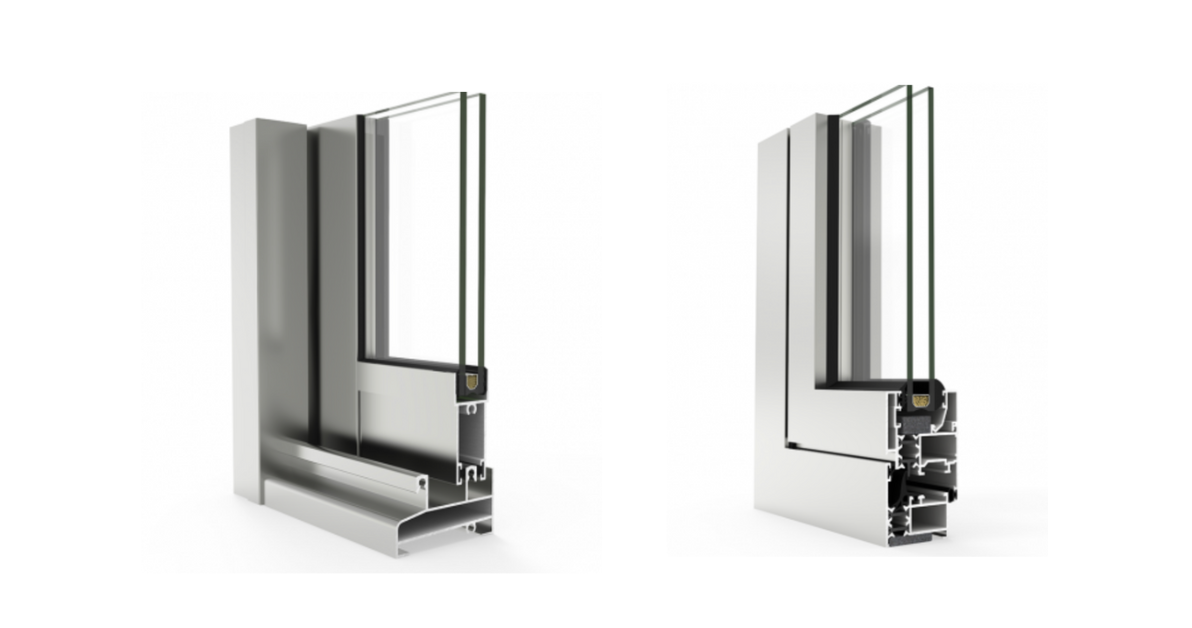
  1. Pollen Protection Mesh: Pollen protection mesh is designed to keep out pollen and other allergens including dust and midges / mites while allowing fresh air to circulate. It features a fine weave that prevents pollen particles from entering the living space, providing relief for individuals with allergies. See POLLENGUARD.COM.AU for more details on their exclusive NANOFIBER technology.
  2. Fiberglass Mesh: Fiberglass mesh is a popular choice for flyscreens due to its affordability, durability, and resistance to rust and corrosion. It allows for good airflow and provides effective insect protection. These are widely available at hardware stores.
  3. Aluminum Mesh: Aluminum mesh is another common option known for its strength and durability. It is resistant to rust and can withstand harsh weather conditions. Aluminum mesh is commonly used in areas where extra strength and security are desired. These are generally available through fabricators and installers.
  4. Pet-Resistant Mesh: Pet-resistant mesh is specifically designed to withstand scratches and damage caused by pets. It is made from strong materials such as stainless steel or heavy-duty polyester, providing durability and longevity.
  5. Stainless Steel Mesh: Stainless steel mesh is highly durable and offers excellent resistance to corrosion, making it suitable for coastal areas. It provides effective insect protection while allowing for good airflow and visibility. These are generally available through fabricators and installers.
The choice of mesh will depend on factors such as budget, desired durability, specific needs (e.g., pet-friendly or pollen protection), and personal preferences. Consulting with ALUSMART can help you select the most suitable mesh option for your specific requirements.

1 Comment

Thermally broken vs Non thermally broken aluminium frames

25/5/2023

1 Comment

 
Picture
Thermally broken and non-thermally broken aluminum frames are two types of construction methods used in aluminum windows and doors. Let's compare them:
  1. Thermal Performance:

    • Thermally broken frames: These frames have a thermal barrier, typically made of a non-conductive material like polyamide, inserted between the interior and exterior aluminum sections. This barrier helps reduce heat transfer and improves insulation, resulting in better energy efficiency and reduced heat loss or gain.
    • Non-thermally broken frames: These frames lack a thermal barrier, allowing heat to easily transfer between the interior and exterior surfaces. This can result in more significant heat loss or gain, leading to reduced energy efficiency.
  2. Condensation and Moisture:

    • Thermally broken frames: The presence of a thermal barrier helps minimize condensation on the frame's interior surface by reducing the temperature difference between the inside and outside. This can help prevent moisture-related issues such as mold or mildew growth.
    • Non-thermally broken frames: Without a thermal barrier, these frames are more prone to condensation, especially in areas with significant temperature differences between the inside and outside. This can increase the risk of moisture-related problems if not properly managed.
  3. Structural Strength:

    • Thermally broken frames: The addition of a thermal barrier can enhance the structural strength of the frame by providing better load-bearing capabilities and rigidity.
    • Non-thermally broken frames: While still structurally sound, non-thermally broken frames may have slightly lower load-bearing capacities compared to their thermally broken counterparts.
  4. Sound Insulation:

    • Thermally broken frames: The thermal barrier in thermally broken frames can also contribute to improved sound insulation, reducing the transmission of external noise into the interior space.
    • Non-thermally broken frames: Without a thermal barrier, non-thermally broken frames may provide slightly less sound insulation, allowing more external noise to penetrate the space.
It's important to note that both thermally broken and non-thermally broken aluminum frames have their advantages and considerations. The choice between the two depends on factors such as climate, energy efficiency requirements, budget, and specific project needs.

Consulting with our technical professionals at ALUSMART can help determine the most suitable option for your specific situation.

1 Comment
<<Previous

    Author

    Natanael Costea, passionate about Sustainable Smart Homes

    Archives

    June 2023
    May 2023
    May 2021

    Categories

    All
    Double Glazing
    Frames
    Glass
    Security
    Sustainability
    Thermal Break
    Thermal Performance
    Windows

    RSS Feed

Picture
97 Paterson Rd West WAROONA WA 6215
1800 ALUSMART
(1800 258 762)

[email protected]
Terms and Conditions

    Connect

Submit
  • Home
  • About Alusmart
  • Gallery
  • Aluminium
  • Articles
  • Catalogue
  • T&C
  • Quote
  • Contact